What can hackers do with your personal data? Plenty. Once criminals have your name, logins, or financial details, they can steal your identity, drain your accounts, run scams in your name, and sell whatever is left on the dark web. For a small business, that adds up to real money, legal exposure, and lost customer trust.
What hackers can do with your personal data ranges from annoying to business-ending, and it usually starts with information you did not think was worth stealing. A single email address, an old password, a birthdate on a form. To the right criminal, that is a starting point.
Data theft is one piece of a bigger picture. For the full map of how attackers target a small company, start with our guide to small business cybersecurity. This post zooms in on one question: once someone has your data, what do they actually do with it?
Hackers stopped being lone figures in hoodies a long time ago. Most stolen information now moves through organized operations that run like businesses, with buyers, sellers, and price lists. When your data lands in that market, the clock starts.
What counts as personal data to a hacker?
To a criminal, personal data is anything that helps them pretend to be you or reach your money. Security people call it personally identifiable information, or PII, and it is worth real money in the wrong hands.
That includes the obvious items like Social Security numbers, credit card and bank details, and account logins. It also includes the quieter ones: your birthdate, your phone number, your home address, your mother’s maiden name, even the answers to those security questions you set up years ago. Each piece on its own looks harmless. Stacked together, they are enough to open an account or reset a password in your name.
What can hackers do with your personal data?
Here is what actually happens once your information is out there. Almost none of it takes a movie-style genius, and most of it runs on automation. These are the six moves you see again and again.
1. Steal your identity
With a Social Security number and a birthdate, a criminal can impersonate you. They open credit cards, apply for loans, file fake tax returns, or make insurance claims in your name. The damage shows up on your credit report and can take months to unwind. For a business owner, the same trick works against your company’s identity, not just your personal one.
2. Commit financial fraud
Card numbers and bank details are the fast money. Criminals run unauthorized charges, move funds, and go on online shopping sprees on your dime. Business accounts are a bigger prize than personal ones, since the balances are larger and a single fraudulent wire can clear before anyone notices.
3. Power better phishing attacks
Your details make the next scam more convincing. Knowing your name, your boss, or a vendor you actually use lets an attacker write a phishing email that looks real. That is how one stolen inbox turns into ten more. If you want the deeper version of this, we cover how hackers get personal information in a separate post.
4. Blackmail you or hold your data hostage
Some criminals use what they find to pressure you, threatening to leak sensitive or embarrassing information unless you pay. Others skip straight to ransomware, locking your files and demanding money to release them. Either way, the goal is the same: make paying feel easier than the alternative. It rarely is, and one click could cost you everything if your systems are not ready.
5. Trigger legal and compliance fallout
A breach is a legal problem as much as a technical one. Depending on your state and industry, exposing customer or employee data can mean regulatory fines, mandatory notifications, and lawsuits. Add the cost of lost trust, and the bill often dwarfs whatever the hacker actually stole.
6. Sell it on the dark web
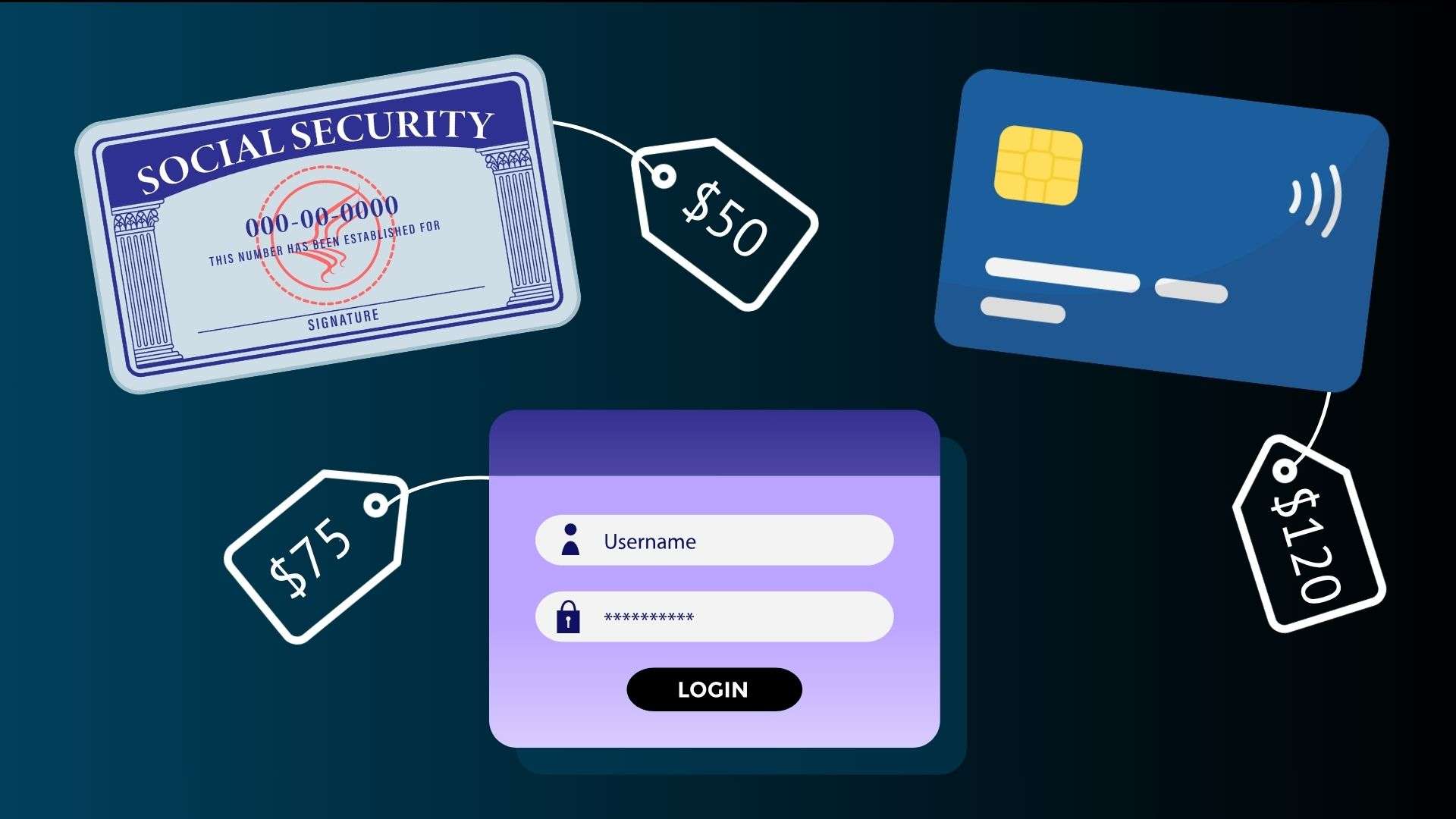
Personal information is one of the most traded goods on the dark web. Batches of logins, Social Security numbers, and card details are bought and sold every day, often within hours of a breach. Once your data is listed, assume other criminals have it too, and that it will keep circulating long after the original theft.
At a glance: what gets taken, and what it costs you
| What they take | What they do with it | What it can cost you |
|---|---|---|
| Social Security number | Open credit, file fake tax returns | Wrecked credit, months of cleanup |
| Card and bank details | Fraudulent charges and transfers | Direct financial loss |
| Account logins | Break into email, then everything else | Account takeover, more phishing |
| Customer and employee records | Resell, or use for targeted scams | Fines, lawsuits, lost trust |
| Birthdate, address, security answers | Pass identity checks and resets | Account takeover in your name |
How do hackers get your data in the first place?
Mostly through the same short list of doors: a convincing phishing message, a weak or reused password, or software that never got its updates. The tools get fancier every year, but the entry points barely change. Our pillar guide walks through how attackers actually get in if you want the full breakdown.
How to protect your business from data theft
You do not need an enterprise budget to be a hard target. Data protection works in layers, and each layer you add makes you a worse deal for an attacker. Here is where to start.
- Train your team. Most breaches start with a person, not a machine. Regular, plain-language training is the highest-return move you can make. There are nine types of security training worth running, and most businesses do one or two.
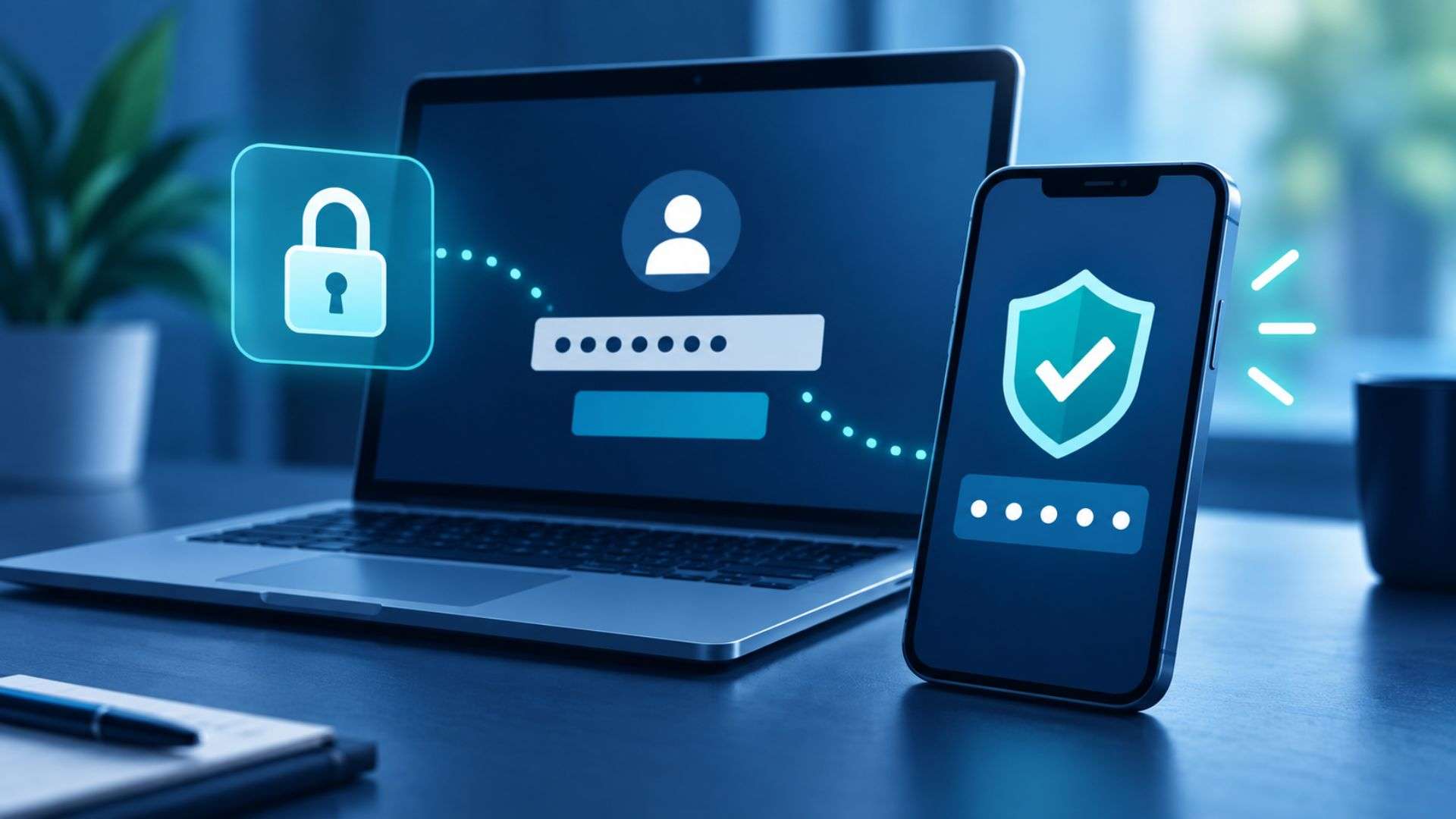
- Turn on multi-factor authentication. A stolen password is far less useful when a second step stands in the way. Multi-factor authentication blocks the majority of account-takeover attempts.
- Use strong, unique passwords. Reused passwords turn one breach into many. A password manager and a few simple rules fix most of the risk.
- Keep real backups. If data is ever locked or lost, tested backups you can actually restore from are what get you running again without paying anyone.
- Watch for exposure. Assume some of your data is already out there, and keep an eye on accounts and credit so you catch misuse early.
Not sure what of your data is already out there? Stratti offers a free 15-minute cybersecurity assessment to find your weak spots and build a plan to close them. Get in touch or call (530) 342-8999.
What to do if your data has already been exposed
Getting breached is not the end of the story. What you do in the first hours and days is what limits the damage.
- Change your passwords now, starting with email and financial accounts. Speed matters more than perfection here.
- Turn on multi-factor authentication everywhere it is offered, so a stolen password alone is not enough.
- Watch your accounts and credit. Pull your free reports at AnnualCreditReport.com and flag anything you do not recognize.
- Report it. File with the FTC at IdentityTheft.gov for a recovery plan, and report online crime to the FBI’s Internet Crime Complaint Center.
- Loop in your IT team. The sooner someone technical is involved, the sooner you can find how the data got out and shut that door.
Frequently Asked Questions
What can hackers do with my personal data?
They can steal your identity, commit financial fraud, run convincing phishing scams, blackmail you, and sell your information on the dark web. For a business, that also means possible fines, lawsuits, and lost customer trust. The common thread is using your data to pretend to be you or to reach your money.
What personal data are hackers most after?
Anything that opens a path to money or identity: Social Security numbers, bank and card details, and account logins first. They also want the smaller pieces like your birthdate, address, and security-question answers, which help them pass identity checks and reset passwords in your name.
What can someone do with just my email address?
More than you would think. An email address is a login for most of your accounts, so it is the first target for password-reset scams and phishing. If a criminal gets into your email, they can often reach everything tied to it, which is why email deserves its strongest password and multi-factor authentication.
Can hackers really sell my information on the dark web?
Yes. Stolen logins, Social Security numbers, and card details are traded on the dark web every day, often within hours of a breach. Once your data is listed, you should assume multiple criminals have copies and that it will keep circulating.
How do I know if my data has been part of a breach?
Watch for accounts you do not recognize, charges you did not make, or password-reset emails you did not request. Checking your credit reports regularly helps you catch identity theft early, and many breaches are reported in the news or by the company involved.
What should I do if my business data is stolen?
Move fast. Change passwords starting with email and finance, turn on multi-factor authentication, watch your accounts and credit, report the theft to the FTC and the FBI, and get your IT team involved to find and close the entry point. Speed is what limits the damage.
How can a small business prevent data theft?
Layers. Train your team, turn on multi-factor authentication, use strong and unique passwords, keep tested backups, and monitor for exposure. No single step is enough on its own, but together they make your business a much harder target. Stratti can assess where you are most exposed and build a plan that fits.
Is my data still at risk if the breach happened years ago?
Often, yes. Stolen data gets resold and reused for years, so an old breach can still feed new scams and account-takeover attempts. That is why ongoing habits like strong unique passwords, multi-factor authentication, and monitoring matter more than any one-time cleanup.
Protect your business before the next breach attempt. Get in touch online or call (530) 342-8999 to get your report to start a conversation about where vulnerabilities might exist and what to do about them.
|
BL
|
Written by Brent Largent
Managed IT Services Expert · Stratti
Brent and the Stratti team have spent over three decades helping small and mid-sized businesses across Chico, Roseville, and the greater Sacramento area handle cybersecurity threats, managed IT, and technology strategy. When IT works, you don’t notice it, and that’s exactly how they like it. Last reviewed: September 17, 2026
|
